



The Practitioner's Step-by-Step Guide to Getting Clients Without Being Pushy, Salesy, or Overwhelmed
You're brilliant at what you do. You've transformed people's lives. Clients leave your sessions different than when they arrived. And yet, somehow, building a steady stream of new clients feels like trying to catch smoke with your bare hands.
This guide is the practical answer to that problem. No fluff. No theory. Just the specific actions you need to take—in the right order—to go from "I get some clients sometimes" to "I have a predictable, growing practice."
Step One: Before You Do Anything Else, Define Who You Help and What They Actually Want
This is the step most practitioners skip, and it's the reason everything else they try feels like talking to a wall.
Your clients are not thinking, "I want to be hypnotized." They're thinking, "I want to stop waking up at 3am with my heart racing." Or, "I want to feel like myself again after my divorce." Or, "I want to be able to give a presentation without feeling like I'm going to pass out."
The outcome is what they want. Hypnotherapy is how you deliver it. These are not the same thing, and conflating them in your marketing is costing you clients.
So before you build a website, run an ad, or create any content, answer these questions:
Who specifically do I want to work with? (The more specific, the better—"women in their 40s navigating career transitions" beats "adults dealing with anxiety")
What problem are they desperate to solve?
What does their life look like on the other side of that problem?
What makes my approach different from every other practitioner they could choose?
For Marianne, a mental health professional transitioning into hypnotherapy, the answer started to crystallize during our conversation: probably female clients, likely dealing with anxiety, grief, or depression, in a particular age range. That's a starting point. And a starting point is all you need.
Don't market yourself as a "certified mindscaping practitioner" or "NLP master." Market yourself as the person who solves a specific problem for a specific kind of person. Certifications matter to other practitioners. Outcomes matter to clients.
Step Two: Build Only What You Actually Need Right Now
Here's the mistake I see constantly: practitioners trying to build everything at once, getting overwhelmed, and building nothing.
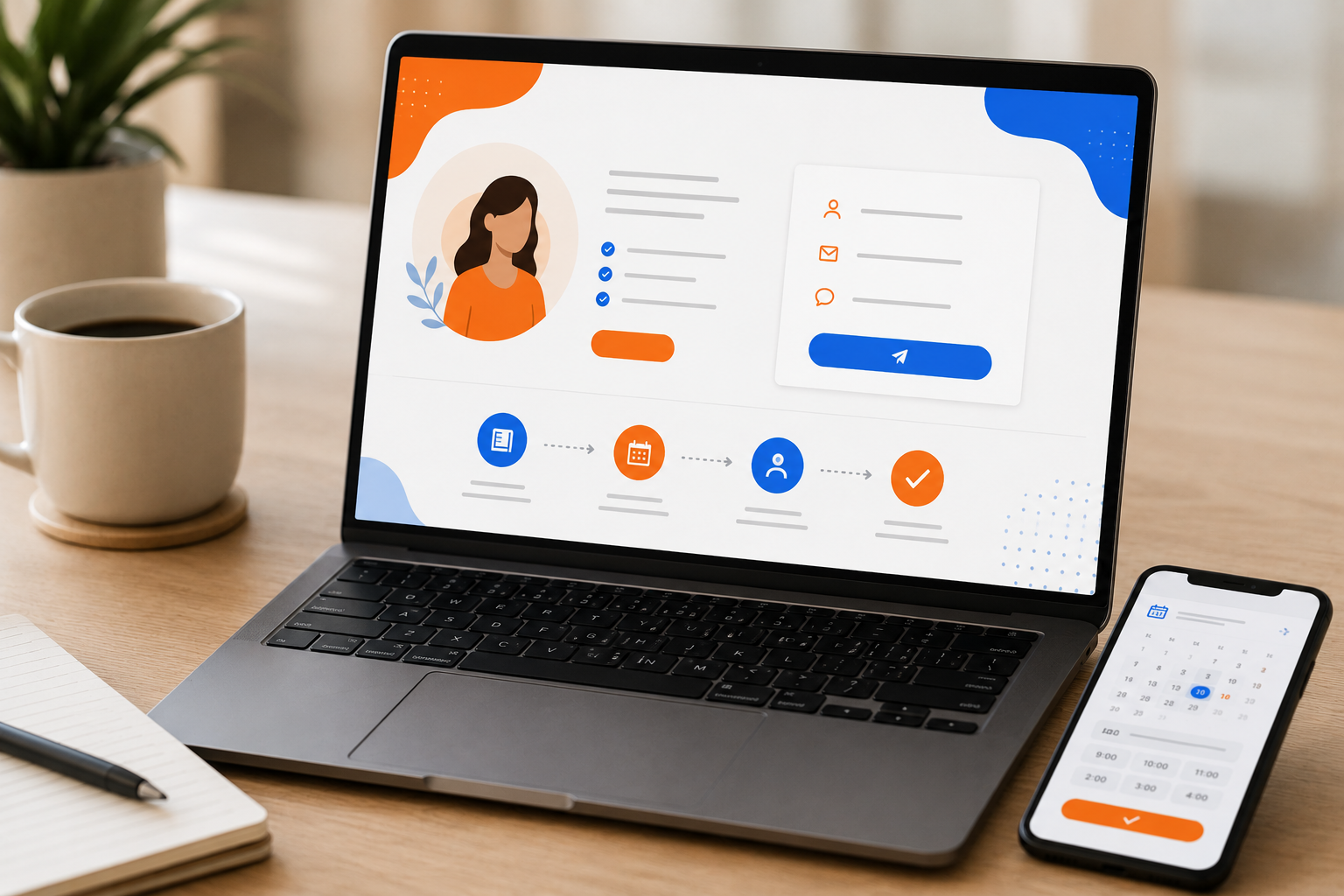
The minimum viable system has exactly two components.
Component One: A simple explanation of what you do and how someone can contact you. This doesn't have to be a polished website. It can be a Google document. A simple landing page. Anything that answers the question "how do I work with you?" and gives people a clear next step. That next step should be a booking link—a calendar where they can schedule a discovery call.
Component Two: A booking funnel. This is a dedicated page where someone lands, learns enough about you to feel comfortable, and books a call. Services like Calendly, or platforms like Pykthos that include this functionality, make it straightforward to set up. The key is that the page does the explaining so you don't have to repeat yourself endlessly.
Everything else—lead magnets, email nurture sequences, Facebook ads, meetup groups—comes after you have these two things working. Build the heartbeat first.
Step Three: Add a Lead Magnet That Earns You an Email Address
Once your booking funnel exists, the next logical step is building a way to collect contacts before people are ready to book a call. That's where a lead magnet comes in.
A great lead magnet follows these rules:
Consumed in five to ten minutes. People have short attention spans. A checklist, a short guide, a list of resources, a quick video, or a hypnotic audio track all work well. A 40-page e-book does not.
Solves an immediate problem. It has to deliver real value immediately—something they can use or experience right away.
Reveals a bigger problem. This is the part most people miss. The best lead magnet shows someone the tip of the iceberg and makes them realize how much more lies beneath. If your free guide solves a small part of their problem, but leaves them thinking "I need professional help to address the rest of this"—and you're the obvious person to provide that help—you've done it perfectly.
Practical examples that work for hypnotherapists and coaches:
A free audio relaxation or hypnotic experience (like Mike Mandel Hypnosis's Journey to the Castle, which generates leads at above $1.50 each—still quite useful for the quality of lead)
A checklist or resource guide on a specific topic your ideal client cares about
A free workshop or masterclass (like a 90-minute online session for parents stuck in survival mode)
A quiz that helps people identify their specific challenge
The lead magnet lives on its own funnel page—separate from your booking funnel. Traffic goes to the lead magnet page, they opt in, and then your automated email sequences begin the work of warming them up toward booking a call.
Step Four: Set Up Two Email Sequences That Run Automatically
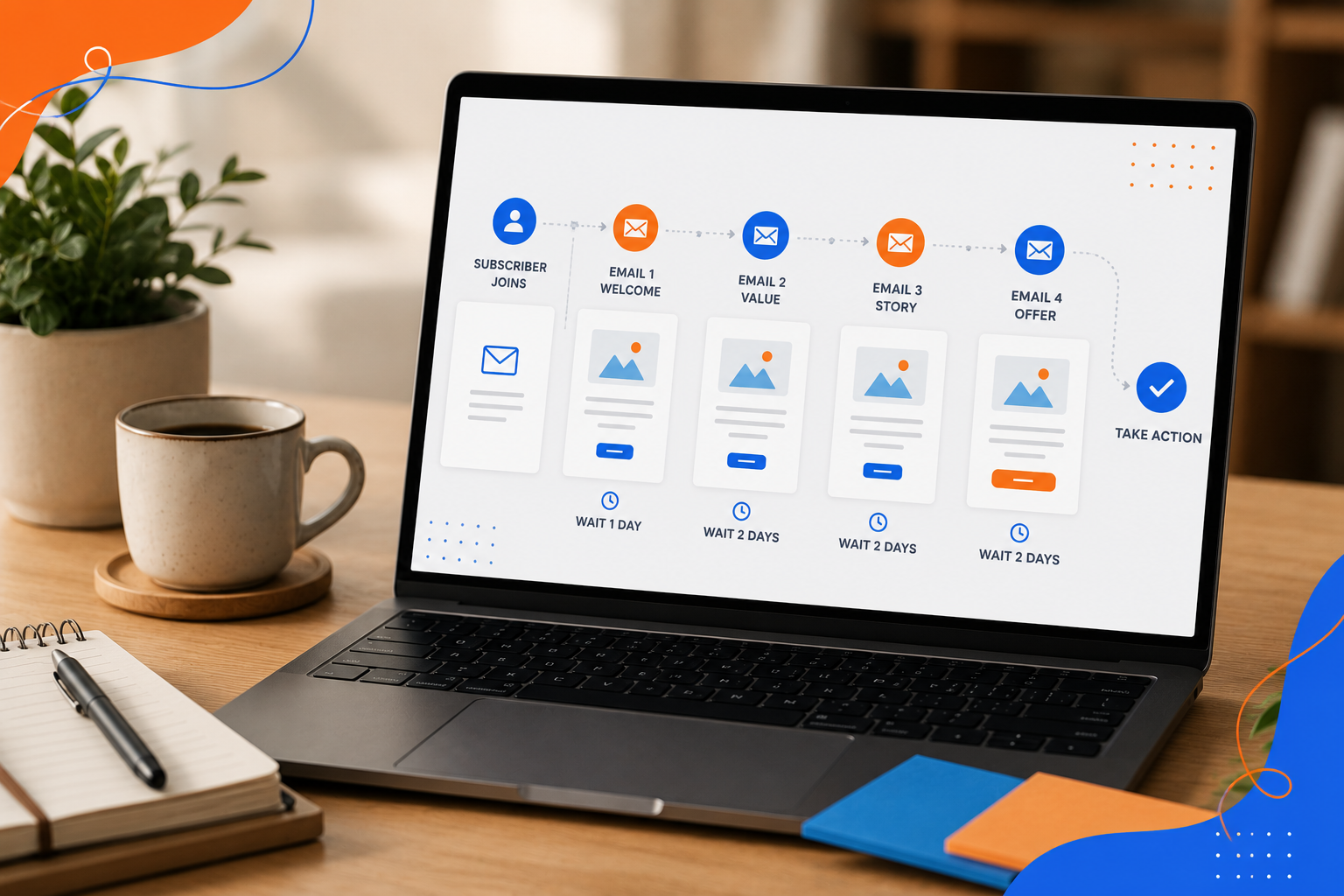
When someone downloads your lead magnet, two things should happen automatically and simultaneously.
Sequence One: Short-Term Engagement. This delivers what you promised, builds rapport, adds more value, and—critically—introduces the next logical step, which is booking a discovery call. Think of it as spoon-feeding people toward the right action. Never assume they know what to do next. Always tell them explicitly.
Sequence Two: Indoctrination. I learned this framework from Ryan Dice at DigitalMarketer.com. These three emails (no more needed to start) welcome someone into your world. Your story—specifically your zero-to-hero journey. Your best content. Your most compelling case studies or testimonials. You're not selling. You're saying: here's who I am, here's what I stand for, here's the transformation I help people create.
Both sequences point toward the same outcome: a booked discovery call. Time them so they don't land in someone's inbox on the same day—stagger them thoughtfully.
Step Five: Add Long-Term Nurture for Everyone Who Isn't Ready Yet
Only about two to three percent of your ideal market is ready to buy right now. The other ninety-seven percent will consider it later. Your long-term nurture sequence is what keeps you top of mind when later finally arrives.
These are evergreen emails—content that will be just as relevant in two years as it is today—sent once or twice a week. They might:
Share a useful tip related to your clients' core problem
Point to a blog post, YouTube video, or external article you found valuable
Include a PS line with a soft reminder to book a discovery call
Announce upcoming events or free resources
Surinder, one of our community members and a Mastermind participant, shared something that stopped the whole conversation: "I've had people come to my meetups for two years without ever booking a call, and then suddenly I get an email saying they want to join my in-person course. They feel like they already know me, because they've been consuming my content the whole time."
That's parasocial trust. And it converts. Build the list. Talk to it. Be patient.
Step Six: Generate Traffic Using the Right Method for Where You Are Right Now
With your system in place, the question becomes: how do you get people into it?
Here are the approaches that are working right now, starting with the lowest barrier to entry:
Meetup.com: Genuinely underutilized and still powerful. Mastermind members have recently hosted their first meetups and attracted over 200 attendees. You host a free online event, deliver real value, and invite attendees to either book a call or download your free resource (giving you their email either way). Always have both a primary call to action—book a call—and a secondary one—get the free PDF—so you capture contacts from everyone, not just those ready to commit immediately.
Organic social media content: Pick one platform. Get traction. Then expand. Don't try to be everywhere at once. Create content that speaks directly to your ideal client's problems—not content designed to go viral, but content designed to resonate deeply with the specific person you want to work with.
Facebook ads: Facebook's advertising system is now powered by AI called Andromeda, and it's actually gotten easier to use, not harder—because you no longer need to obsessively micromanage your targeting. The AI figures out who should see your content. What you control is the creative. When running ads, include at minimum five unique image ads, one carousel ad, and one video ad—all genuinely different from each other, not just slight variations. Unique means different scenes, different angles, different messaging. Facebook itself published guidelines when Andromeda launched specifying exactly these minimums.
Content-first retargeting: Rather than only running direct call-to-action ads, pay to put genuinely valuable video content in front of your ideal audience. Video view engagement is far cheaper than click-through traffic. Once people have watched your content and demonstrated interest, retarget that warm audience with direct calls to action. Educate first. Convert second. This is the strategy we're rolling out now at both Pykthos and Mike Mandel Hypnosis.
Step Seven: Track Your Metrics and Stay the Course
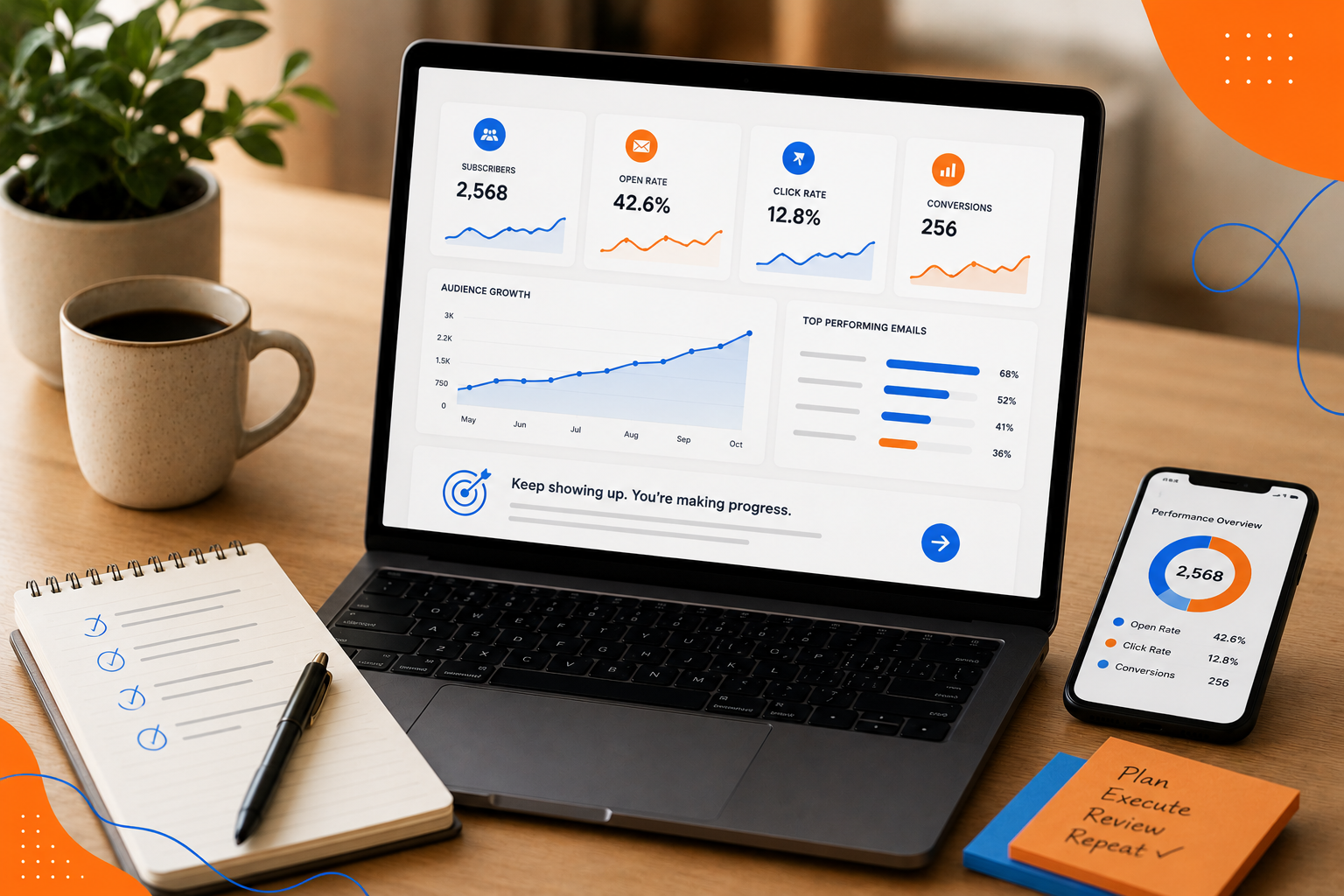
The Pareto Principle applies ruthlessly here. Expect roughly twenty percent of people who sign up for something to actually show up or engage. On a typical Strategy Cafe call, we get between 30 and 50 people live—but we have probably ten to twenty times that number on our email list. If you have 100 people on your meetup registration list, approximately 20 will attend. Of those, a fraction will book a call. Of those, some will become clients.
This is not failure. This is math. And it compounds over time.
Record your metrics at every stage. How many people saw the ad? How many clicked? How many opted in? How many booked a call? How many became clients? Once you know your numbers, you know exactly what you need to fix—and more importantly, you know whether your system is working before you give up on it.
The goal isn't perfection. The goal is to kick the ball one step down the field, learn from what you see, and kick it again.
Start today. Build one piece. Then build the next. The practitioners who feel like they've tried everything and nothing works are usually the ones who built pieces in isolation, without a system connecting them. Connect the pieces. Run the machine. Watch what happens.
Want to skip the trial and error? Visit pykthos.com/mastermind to learn how we help hypnotherapists and coaches build this entire system with done-for-you assets, weekly coaching, and a community of practitioners doing the same work.


